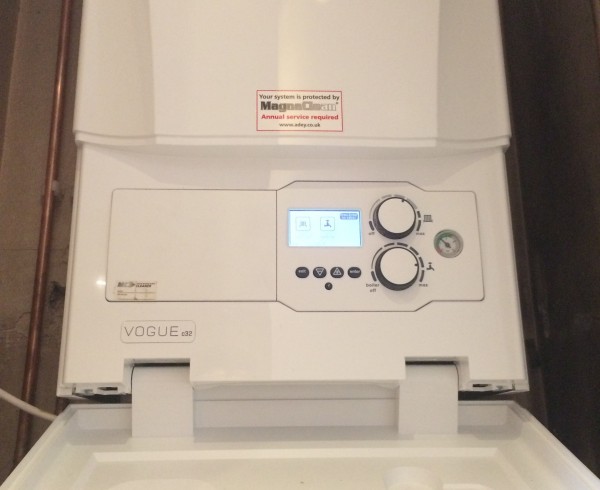
During the winter months many of us take full advantage of the heating appliances in our homes.
However, many people are not aware of the dangers that poorly maintained heating appliances can pose.
We have put this article together to ensure you Love Your Boiler, and you and your family stay safe throughout the winter months.
Gas boilers
By far the biggest threat to your families safety is from carbon monoxide poisoning. This is a deadly gas produced by poorly maintained gas appliances.
Gas boilers should be serviced annually by a Gas Safe Registered engineer to ensure there are no problems, and that your system is working safely.
There are simple steps you can take to increase safety in your home, in addition to annual services. One of these would be the installation of carbon monoxide alarms (CO alarm). These work in a very similar way to traditional smoke alarms ( CO alarms are designed to detect the presence of carbon monoxide and should not be used in place of a smoke alarm). Generally speaking, the CO alarm should be sited approximately 1.5m away from your gas appliance, and if possible at high level. This is because carbon monoxide is roughly the same density as air so it will be carried upwards with the warm air produced by your gas boiler.
CO alarms should not be used as a substitute for annual safety checks.
At Love Your Boiler safety is such a high priority that we provide CO alarms with every boiler installed, FREE OF CHARGE.
Gas Fires
Although becoming less popular, gas fires are still installed in millions of UK homes, providing warmth and comfort throughout the cold winter months. Whilst providing a focal point to many living rooms, they also pose the highest threat of carbon monoxide poisoning. This is due to most gas fires being classified as open flued appliances, meaning that air for combustion is taken directly from the room in which it is installed.
If a gas fire is poorly maintained, products of combustion (which may contain deadly levels of carbon monoxide) may spill back into the room in which it is installed.
During a routine service by a gas safe registered engineer, a spillage test would be carried out to ascertain if any combustion gasses are spilling into the room.
Spilling can be caused by many things, such as:
- Blocked air ducts
- Debris on burner
- Blocked flue spigot
- Incorrect installation
- Blocked flue
In most instances, spillage issues can be rectified by carrying out a standard service. In some instances, more investigation may be required to ascertain the route cause of the spillage problem.
When an appliance is spilling products of combustion back into the room, it can leave sooting marks above the appliance as can be seen in the example picture.
If you or anybody you know has a gas fire which looks like the one in this example, the appliance must not be used until it has been checked by a gas safe registered engineer.
Electric Heaters
For those of us without gas central heating, electric heaters (or space heaters) are a common alternative. The main danger associated with these appliances is fire.
Before using an electric heater you should always read the manufacturer’s instructions for that particular appliance. These will state the safe distances from combustible materials and other important information. We have provided a quick tip guide to staying safe around electric heaters.
Electric Blankets
Another popular way of staying warm, for those without gas central heating, is with the use of electric blankets. They have been used in Britain for many years, unfortunately they account for 5000 fires per year (according to the Fire Service).
The best way to combat these fires is to follow the manufacturer’s instructions and adopt a schedule of regular inspections to look out for signs of damage.
Signs of damage could include:
- Fraying fabric
- Scorch marks
- Exposed elements
- Worn flex
- Loose connections
- Tie tapes damaged or missing
- Creasing or folding
- Soiling
- Damp patches
Finally, it is recommended that the same blanket should not be used for longer than 10 years, regardless of visual condition.
Cold Houses
Whilst home heating methods can present dangers, not heating your home enough can prove just as dangerous!
There are an estimated 25,000 winter deaths each year that could be attributed to the cold (according to Public Health England). The elderly, young children and those with chronic illness are most at risk.
So what should we do to prevent these deaths?
During prolonged periods of cold weather, your home should be kept at a minimum temperature of 18ºc . In addition to this, any person vulnerable to the cold should dress in multiple thin layers and consume regular warm meals and drinks. Regular activity within the home would also help a person to keep warm.
There are also many proactive steps that can be made to increase your property’s ability to retain heat, which will also make your home more energy efficient.
For more information on ways to save energy, download our ebook Top Tips To Save Money On Your Energy Bills
We hope you found this blog informative.
If you would like to book a boiler service with Love Your Boiler then contact our friendly team on…
0114 3450014
If you think this information could be useful to somebody you know, please share it on social media using the tabs below.